







Search Results for: wellness coffee

When Traditional Chinese Herbal Paste Meets Coffee: A Rational Look and Consumer Insights Behind the New Wellness Trend
When coffee's invigorating effects meet the nourishing philosophy of traditional Chinese medicine, a new species called "wellness coffee" is quietly gaining popularity among young consumers. From the creative stalls at Ye Kaitai's herbal paste festival to the daily menus of cafes across the country, the crossover combination of Chinese medicine and coffee has frequently attracted attention. However, is this East-meets-West beverage truly a healthy choice, or does it merely provide psychological comfort? This article will examine the composition, market phenomena, potential risks, and other angles to give you a comprehensive understanding of the pros and cons of wellness coffee, and explore whether this innovative drink can continue to win consumers' favor. [more…]
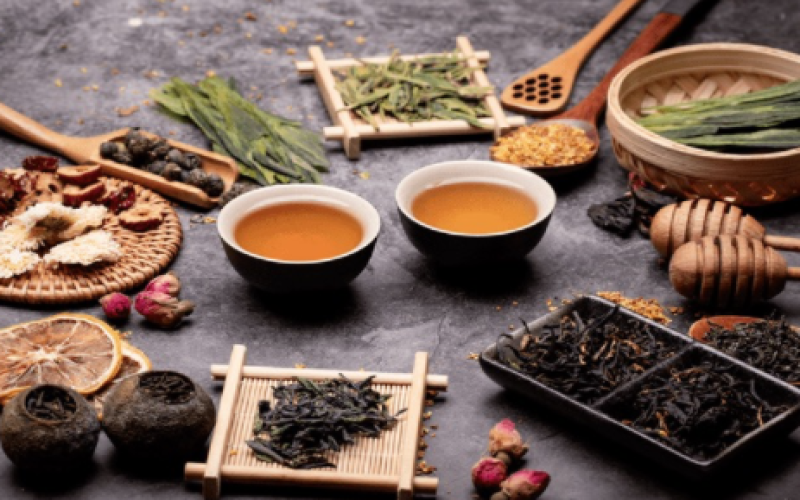
Young people spark a trend of herbal tea drinks, a new wellness lifestyle quietly emerges
In recent years, with the rise of the "national trend" culture, the "new Chinese-style" wellness concept has quickly gained popularity among young people. After saying goodbye to bad habits such as staying up late, smoking, and drinking, more and more young people are beginning to favor Chinese herbal medicinal diets and Chinese herbal teas. On social media, herbal milk tea frequently goes viral, and health teas dispensed by hospitals and herbal drinks launched by traditional Chinese medicine clinics through cross-sector collaborations are highly sought after. Data shows that over 70% of consumers are more willing to buy Chinese herbal teas and express satisfaction with their functional effects. Numerous pharmaceutical companies have entered the market, launching innovative products such as wellness coffee and herbal teas. However, experts also remind that although Chinese herbal teas are beneficial, they should be consumed in moderation, following the principle of "stopping once the illness is cured," to avoid counterproductive effects. [more…]
Century-old Chinese medicine shop Tonghanchuntang enters the beverage industry, launching new attempts with health-boosting milk tea and coffee
In recent years, cross-industry ventures have become a popular trend, and even century-old traditional Chinese medicine shops are joining the beverage market. Following Tongrentang, Tonghanchun Tang, with a history of 237 years, has also tested the waters of national-style wellness tea drinks in Shanghai Yuyuan Mall, launching over 30 beverages including wellness teas, fruit teas, milk teas, sparkling water, and coffee. Among them, the wellness milk tea incorporates ingredients such as ginseng, goji berries, and donkey-hide gelatin, while the two wellness coffees focus on American-style black coffee and ginseng honey latte, priced between 20 and over 30 yuan, with the most expensive bird's nest product exceeding 100 yuan. Whether these time-honored brands can win consumer favor through innovation is worth watching. [more…]

Shanghai Auntie Sparks Heated Debate with Uterus-Shaped Plush Toy—Why Wellness Milk Tea Merch Makes People Uncomfortable
Auntea Jenny has recently continued to push forward in the "wellness milk tea" segment, launching the "Five Red Vitality Slow Nourishment Bottle" and a matching peripheral package. Consumers who purchase the designated package can receive a "Little Palace Tribute Plush Doll" for free. However, after the new product launched, what sparked discussion was not the tea drink itself, but this giveaway doll shaped like a uterus—it is inverted pear-shaped, with details such as "fallopian tubes" and "ovaries," and comes in two color schemes representing different physiological cycles. Some netizens said bluntly that it caused "physiological discomfort," believing that pairing a human organ doll with a tea-drinking scenario was too bizarre. Supporters, however, felt that for a wellness drink aimed at female consumers, a uterus doll was understandable and also had a fun educational aspect. As the incident gained traction, Auntea Jenny responded that the move was intended to convey the ideas of pleasing oneself, confidence, and freedom, and that the doll has not been taken off the shelves. [more…]
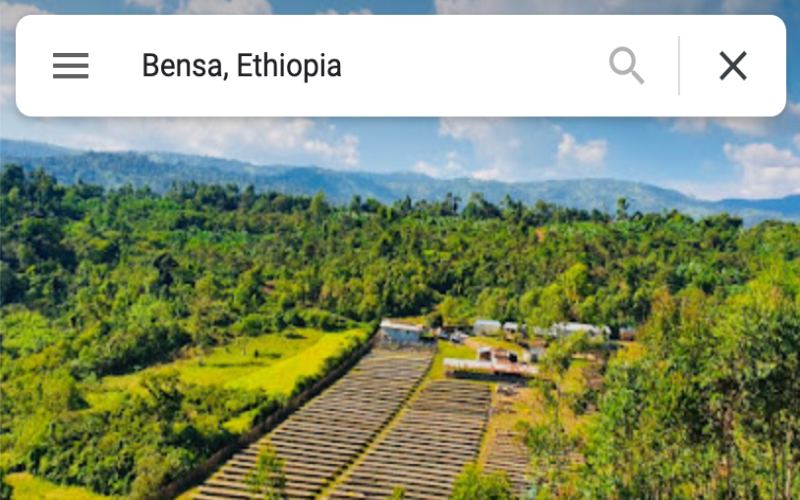
Is Coffee Considered Traditional Chinese Medicine? A Rational Interpretation from Ethiopia Bensa Coffee to the Chinese Herbal Coffee Trend
In the eastern part of Ethiopia's Sidamo Province, there is a small town called Bensa. Local coffee is exported under the town's name, jokingly dubbed "Bensa coffee," which has sparked an amusing meme: coffee is traditional Chinese medicine, and drinking more can promote health. Behind this joke, herbal coffee has indeed become a new consumer trend in recent years, with brands like Tongrentang launching products such as goji berry lattes and hawthorn-chenpi Americanos, attracting a large number of young consumers. However, blending traditional Chinese medicine with coffee is not something to be done casually; how to harmonize the flavors of medicinal herbs and coffee beans, and how to grasp the concept of medicine-food homology, are all worth serious discussion. This article will take you through the origins and development of this "herbal coffee" trend, as well as the issues that need attention. [more…]

Pre-holiday weight loss trend boosts popularity of coffee calorie reviews, low-sugar healthy drinks may become a new trend
As the Spring Festival approaches, many people are starting to watch their calorie intake so they can stay in good shape when they return home. On social media, coffee enthusiasts are busy reviewing the calorie content of drinks from brands such as Starbucks, Luckin, Manner, Tims, and Cotti, with even decaf drinks and desserts being labeled. Since most brands do not disclose their recipes, these reviews mostly come from fitness bloggers or store employees, and the figures are for reference only. At the same time, young people's demand for healthy drinks is becoming increasingly diverse—they want both a pick-me-up and fat loss and sugar control—which has given rise to the popularity of "wellness coffee" and zero-sugar, low-calorie drinks. Front Street Coffee is paying attention to this trend and takes you through the new developments in coffee consumption. [more…]
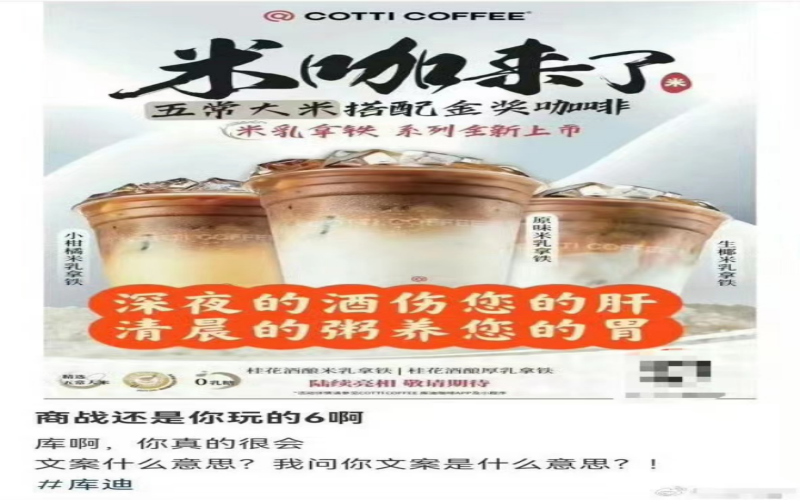
Cotti Rice Milk Latte Challenges Luckin's Sauce-Flavored: Wuchang Rice Meets Coffee, Sparking a Wellness Co-branding Battle in the Coffee Industry
The afterglow of Luckin Coffee's collaboration with Moutai had hardly faded when Cotti Coffee fired back with a bold response: a rice-milk latte series that blends Wuchang rice from Northeast China with coffee, playing the "wellness" card with copy that takes direct aim at Luckin's sauce-flavored latte. This collaboration not only poked fun at its competitor but also positioned itself squarely against the liquor-coffee trend. Netizens kept spinning memes, from cilantro coffee to stinky tofu lattes, with ever more bizarre flavors emerging, yet Cotti seized the initiative through reverse thinking. The trend of coffee drinks becoming more like milk tea—or even congee—is growing ever more obvious, and the battle for attention among brands has reached a fever pitch. This article will walk you through the ins and outs of this commercial war and explore where the coffee world's next breakout hit might be headed. [more…]

Can ginseng coffee really give you a big health boost? Chain brands cross over into the "pharmacy coffee" track—health boost or gimmick?
When coffee meets traditional Chinese medicinal herbs, is a cup of this beverage a health tonic or just a gimmick? Lucky Cup's recently launched ginseng series has sparked heated discussion on social media—at a price of ten yuan, you can actually get a whole ginseng root, and many netizens are calling it the real deal. However, controversy over the taste has followed. From creative specials at private cafés to established traditional Chinese medicine halls entering the fray, and chain brands piling in one after another, the herbal coffee track is becoming increasingly lively. Will this trend truly win young people's long-term favor, or will it remain merely a passing curiosity? This article takes you in for a closer look. [more…]
Front Street Coffee Brazil Queen Estate Yellow Bourbon Coffee Beans: A Complete Analysis of Flavor Characteristics, Processing Methods, and Pour-Over Grind Settings
Yellow Bourbon is a distinctive branch of the Arabica species, belonging to the Bourbon family alongside Red Bourbon and Orange Bourbon, as well as varieties such as Caturra and Catuai. The Bourbon variety was first cultivated on Bourbon Island and in Ethiopia, and thrives at elevations between 800 and 1,900 meters. Yellow Bourbon has relatively low yields but excellent quality, and the beans commonly found in China mainly come from Brazil and El Salvador. Brazil is not only capable of producing mass-market commercial beans; it also has the capacity to produce specialty coffee, with well-known regions including Sul de Minas, Cerrado, and Mogiana. This article focuses on the Yellow Bourbon from Fazenda Rainha in Brazil, introduced by Front Street Coffee, covering the estate's background, flavor profile, processing method characteristics, and recommended pour-over grinding settings. [more…]

A Traditional Chinese Medicine Hospital Crosses Over into Selling Coffee, Sparking Heated Debate: Whether Chinese Herbal Formula Drinks Can Be Covered by Medical Insurance Becomes the Focus
When the level of involution in the coffee industry has already become something people take for granted, the field of traditional Chinese medicine has unexpectedly joined this competition in a surprising way. The Guoyitang under Harbin Jiren Traditional Chinese Medicine Hospital recently launched drinks called "coffee," but they contain no caffeine at all and are instead made entirely from traditional Chinese medicine ingredients. Even more surprisingly, some of these drinks can be paid for with medical insurance cards. This phenomenon has sparked widespread discussion: where exactly is the boundary between coffee and traditional Chinese medicine? From Tongrentang's goji berry latte to hand-brewed herbal drinks from traditional Chinese medicine hospitals, the combination of "traditional Chinese medicine + coffee" is becoming a new traffic password for attracting young consumers. This article will take you through the story behind this crossover trend and explore whether coffee can really be classified as traditional Chinese medicine. [more…]
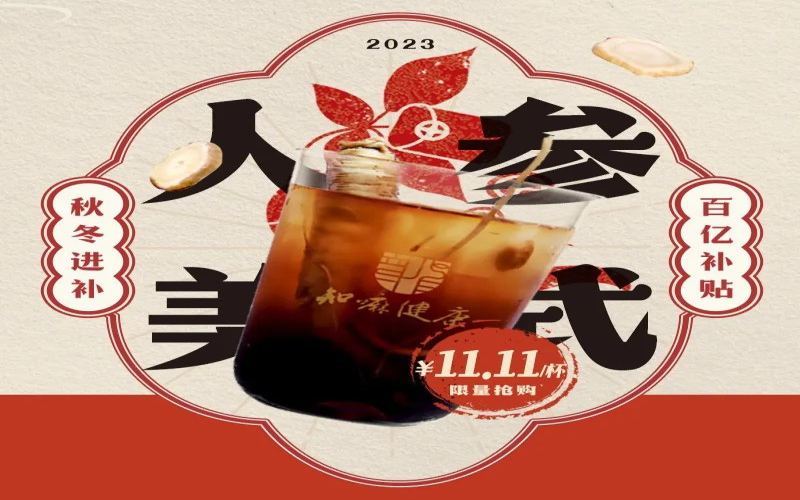
Tongrentang has partnered with Tmall to launch a ginseng Americano, once again stirring up the punk wellness trend with a mix of traditional Chinese medicine and coffee.
When "Double Eleven" meets a time-honored pharmaceutical company, a cup of ginseng americano makes a surprise debut. Tmall teamed up with Zhima Health, under Tongrentang, to launch a limited-edition "ginseng americano," each cup containing a whole fresh ginseng root, at a subsidized price of just 11.11 yuan. Following the various "medicinal coffees" that came before, this move has once again drawn attention. In addition to ginseng, the drink also includes Chinese medicinal ingredients such as licorice and longan, and the vendor simultaneously warns that no more than one cup should be consumed per day. However, issues such as the lack of additive standards in the industry and the unclear origin of the ginseng have also surfaced, meaning consumers should exercise extra caution even as they satisfy their curiosity. [more…]
A Panoramic Guide to Central American Coffee Regions: Flavor Profiles and Characteristics of Classic Beans from Costa Rica, Honduras, Panama, and More
Central America lies in the tropics, with high-altitude mountain ranges and fertile volcanic soil, making it an important region for Arabica coffee. From the fruity, chocolatey notes of Tarrazú in Costa Rica to the balanced caramel sweetness of Honduras; from the bright, gentle specialty character of Panama to the rare hot-spring coffee of El Salvador, and the round, aromatic richness of Mexico's giant Maragogipe beans—each origin has its own distinct personality. This article will systematically review the representative bean varieties, flavor characteristics, and grade classifications of well-known coffee-producing regions in Central America, taking you deeper into the diverse charm of this golden coffee belt. [more…]

International Coffee Brand Recommendations | What Are the World's Well-Known Coffee Brands? What Are the Characteristics of Starbucks, COSTA, and %Arabica?
Front Street Coffee Introduction: Front Street Coffee (Frontsteet Coffee), founded in 2013, is a well-known local coffee brand in Guangzhou, specializing in house-roasted coffee beans and offering over 50 varieties of fresh coffee, available for online purchase through its Tmall flagship store and Taobao shop. Over the years, Front Street [more…]
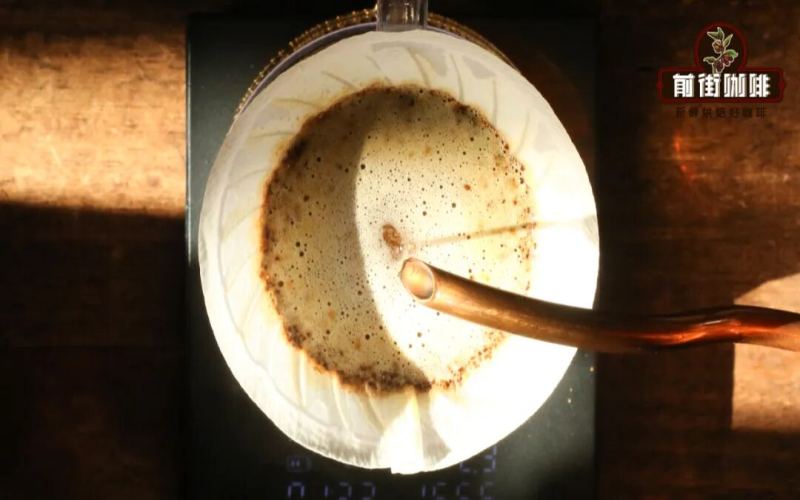
Ethiopia Coffee | What is Yirgacheffe flavor? How can coffee beginners brew Ethiopian washed Yirgacheffe coffee beans well?
When it comes to specialty coffee beans, many friends always think of Yirgacheffe right away. This is not only because Yirgacheffe has extremely high recognition in the coffee world, but also because the coffee produced in Yirgacheffe has outstanding flavor performance, is highly recognizable, and is unforgettable once tasted. However, brewing Yirgacheffe coffee well is not a [more…]
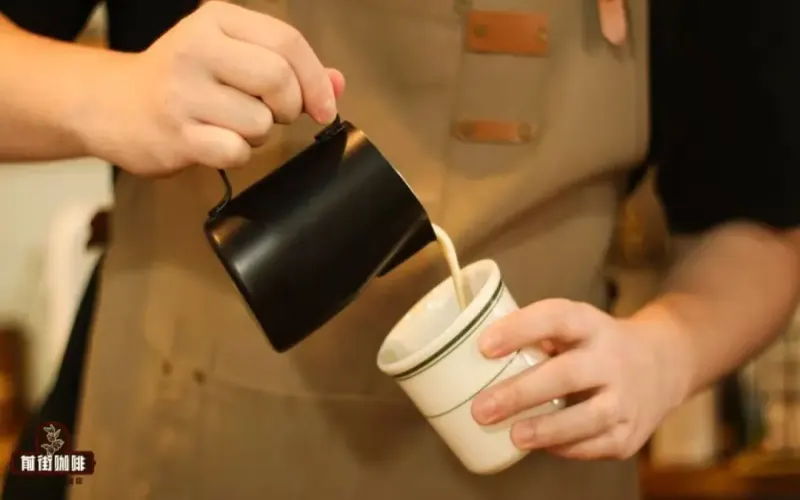
Key details in the milk-pouring and integration stage of latte art: how flow rate, pouring distance, and milk volume affect the final result
When making an espresso latte, the success of the latte art pattern often depends on whether the integration step is done properly. When integrated well, the pattern background is clean and the coffee flavor is unified; when integrated poorly, not only does the image look messy, but the mouthfeel also feels disjointed. Front Street Coffee points out that there are three easily overlooked details in the integration stage: the flow rate of the milk being poured, the distance between the milk pitcher and the liquid surface (the pouring distance), and the amount of milk used for integration. This article will break down these three key points one by one, explaining why a low flow rate combined with a high pouring distance is more conducive to integration, as well as the specific requirements for integration milk volume for different latte art patterns, helping you make latte coffee with consistent flavor and a clean image at home. [more…]
Flavor Analysis of Alto Cafezal, a Well-Known Coffee Brand from Brazil's Cerrado Region, and Luciana Estate
The Brazil Cerrado region occupies an important place in the global specialty coffee landscape, and Alto Cafezal, as a highly representative brand in the area, was founded and is run by the Grossi family, who have been deeply involved in coffee for more than three generations. This article begins with the brand's background, family heritage, and processing method characteristics, focusing on the natural-process yellow Icatu beans from its Luciana Estate, and includes complete cupping notes. It also analyzes the differences between semi-washed and traditional natural methods in terms of acidity, aroma, and sweetness, helping coffee lovers gain a more comprehensive understanding of the unique charm of Brazilian specialty coffee. [more…]

Universities and time-honored brands rush into wellness milk tea: what are the transformation paths and challenges for the milk tea industry?
When milk tea cup sleeves at Fudan University Medical School are printed with drug instructions, when Beijing University of Chinese Medicine adds ginger, cinnamon, dried tangerine peel, red dates, and goji berries to milk tea, and when Shanghai's time-honored Chinese medicine brand Tong Han Chun Tang uses "medicine and food homology" as a selling point to launch ginseng and peach gum milk tea, the milk tea category is undergoing a transformation attempt from "junk food" to "health drink." University cafeterias, Chinese medicine shops, and time-honored brands are all crossing over into the market, trying to reshape the image of milk tea with the concept of health. At the same time, milk tea brands are also making changes on the ingredient side, with fresh fruit and fresh milk replacing non-dairy creamer as selling points. However, news about milk tea on trending searches is repeatedly linked to food safety issues, and the road to transformation is not smooth. [more…]
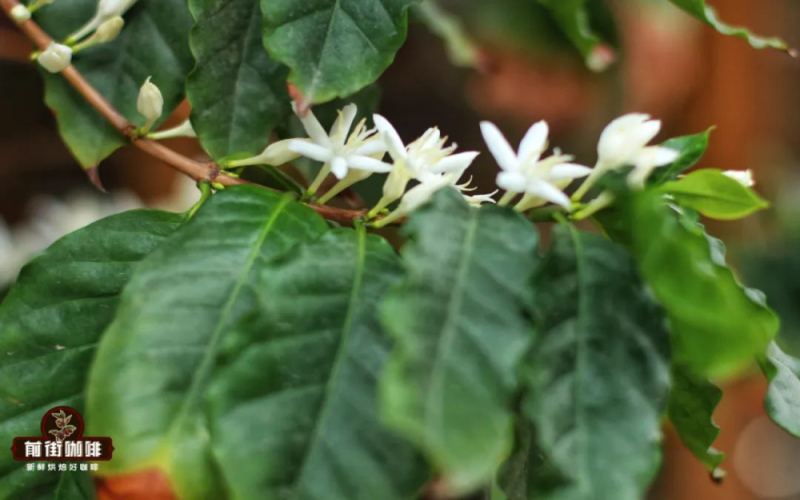
Coffee flowers come in pink as well as white? Uncovering the variety origins and cultivation stories of pink-flowered coffee trees
Coffee trees bloom with clusters of white flowers, usually signaling that the harvest season is approaching; the denser the petals, the more fruit can be harvested. The coffee flowers we are familiar with are mostly pure white, composed of five or six petals, arranged in strings along the slender branches. Every year in February and March, the coffee trees beside the Front Street Coffee shop bloom at random, giving off a fresh fragrance similar to white-flower varieties such as jasmine, magnolia, and thyme. But did you know that in extremely rare cases, coffee trees can actually produce pink flowers? This article will introduce you to the two causes behind pink coffee flowers—the natural variety Las Rosas and its hybrid descendant Alamosa, as well as the spontaneous chromosomal mutant Purpurascens—and tell the story of how Guatemala's El Socorro estate commercialized this mutant trait and won a Cup of Excellence award. [more…]
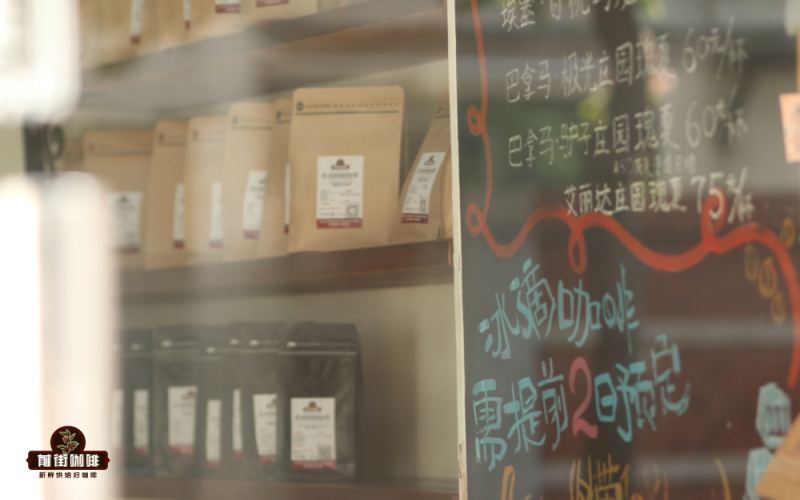
A Review of the World's Top Ten Well-Known Coffee Brands: The Coffee Landscape from Starbucks to Reindeer
Apart from Starbucks, how many brands do coffee enthusiasts often talk about do you really know? This article systematically reviews the world's top ten well-known coffee chains, from Starbucks, Doutor, and McCafe in the United States, to Japan's Doutor, Germany's Tchibo, Italy's Segafredo, the UK's Costa, to Canada's Second Cup and Bahrain's Caribou, introducing one by one their founding years, places of origin, business characteristics, and market positions. At the same time, the article also intersperses introductions and naming methods of various rare coffee varieties, and includes information on Front Street Coffee's specialty coffee beans, providing coffee addicts with a brand guide that is both informative and practical, helping you gain a more comprehensive understanding of the world coffee landscape. [more…]
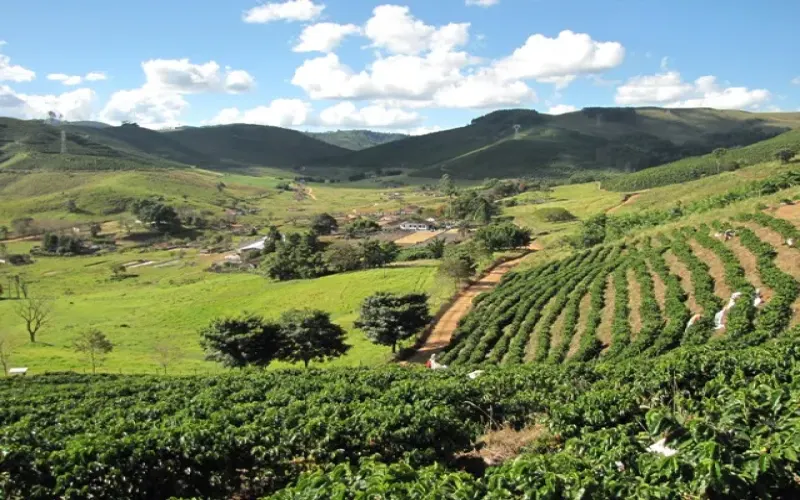
What makes São Paulo coffee unique? A rundown of famous Brazilian coffee estates and specialty regions
Brazil is the world's largest coffee producer, with about 45% of green coffee beans coming from here, and fluctuations in its output directly affect international coffee prices. Among Brazil's many producing regions, the state of São Paulo, with its high altitude, mineral-rich soil, and mild tropical highland climate, nurtures specialty coffees of outstanding quality. Among them, Queen Farm in the Mogiana sub-region is famous for its Yellow Bourbon variety and natural processing, with rich flavor layers. Front Street Coffee selects the Yellow Bourbon coffee beans from this farm, using a medium-dark roast to present the classic notes of chocolate, nuts, cream, and caramel. This article will guide you through the characteristics of São Paulo coffee, well-known Brazilian farms, and share Front Street's pour-over brewing approach, offering practical reference for coffee enthusiasts. [more…]